In 2026, skincare is becoming increasingly personalised, combining advanced technology with targeted ingredients to address individual skin concerns. Rather than relying on a single treatment, many skincare enthusiasts are exploring complementary approaches that cleanse, hydrate, and support healthier-looking skin.
One combination attracting attention is Hydrafacial, LED light therapy, and booster serums. Each treatment offers a different approach to skincare: Hydrafacial helps cleanse and exfoliate the skin while delivering hydration, LED therapy uses specific wavelengths of light to support skin-focused treatment goals, and booster serums provide concentrated ingredients selected according to individual needs.
Together, these three elements can create a comprehensive facial experience designed around skin condition, lifestyle, and personal beauty goals. But what makes this combination so interesting, and how can each step contribute to a more complete skincare routine?
Hydrafacial: The Foundation of Healthy-Looking Skin
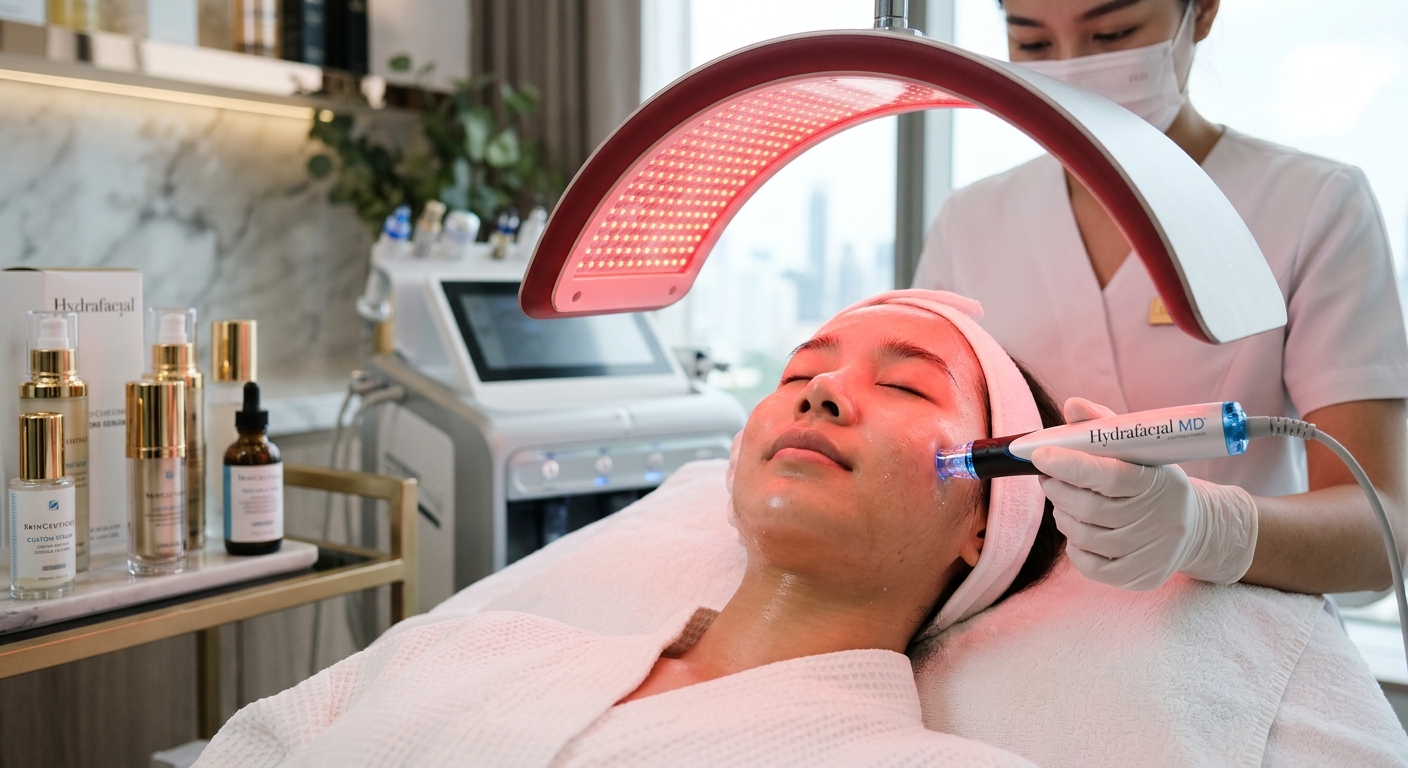
A successful skincare treatment begins with properly prepared skin. Hydrafacial is a non-invasive facial treatment that combines cleansing, exfoliation, extraction, and hydration in a structured process.
Unlike traditional facials that may rely primarily on manual techniques, Hydrafacial uses specialised equipment to help remove surface impurities and dead skin cells while delivering hydrating skincare solutions.
Its main benefits include:
- Deep cleansing: Helps remove surface dirt, excess oil, and accumulated impurities.
- Gentle exfoliation: Helps eliminate dead skin cells and improve the appearance of uneven skin texture.
- Pore cleansing: Uses a specialised extraction process to remove impurities from congested pores.
- Hydration: Delivers hydrating ingredients to help maintain a smoother, more refreshed appearance.
- Improved radiance: Helps reveal a brighter-looking complexion by addressing surface buildup and dryness.
Hydrafacial can be adapted to different skin concerns, making it an appealing option for people seeking a refreshed complexion without an intensive recovery period.
For people living in Bangkok, where heat, humidity, pollution, and daily exposure to environmental stressors can influence skin condition, a professional facial routine can be a useful part of maintaining comfortable, healthy-looking skin.
LED Light Therapy: Supporting Skin at a Different Level
LED light therapy introduces another dimension to a modern facial treatment. It uses specific wavelengths of light to interact with the skin, with different colours associated with different treatment objectives.
Unlike treatments that depend on exfoliation or topical ingredients, LED therapy works through light-based technology.
Red LED Light
Red light is commonly used in skincare treatments focused on the appearance of fine lines, skin texture, and signs of ageing. It is associated with photobiomodulation, a process in which cells respond to particular wavelengths of light.
Depending on the device and treatment protocol, red LED therapy may support skin appearance and help improve the look of ageing skin over time.
Blue LED Light
Blue light is commonly used in skincare protocols targeting blemish-prone skin. Certain wavelengths can interact with acne-associated bacteria, making blue LED an option in selected professional skincare programmes.
However, it should not be considered a replacement for medical acne treatment when persistent or severe breakouts are present.
Why Add LED Therapy After Hydrafacial?
Hydrafacial focuses on cleansing, exfoliation, extraction, and hydration, while LED therapy introduces a light-based component.
Combining these approaches allows a treatment programme to address different aspects of skin appearance within one appointment. The appropriate LED wavelength, exposure time, and treatment frequency should always be selected according to the device instructions and an individual's skin needs.
Booster Serums: Personalising the Treatment
One of the most interesting aspects of modern facial treatments is the ability to customise skincare according to specific concerns.
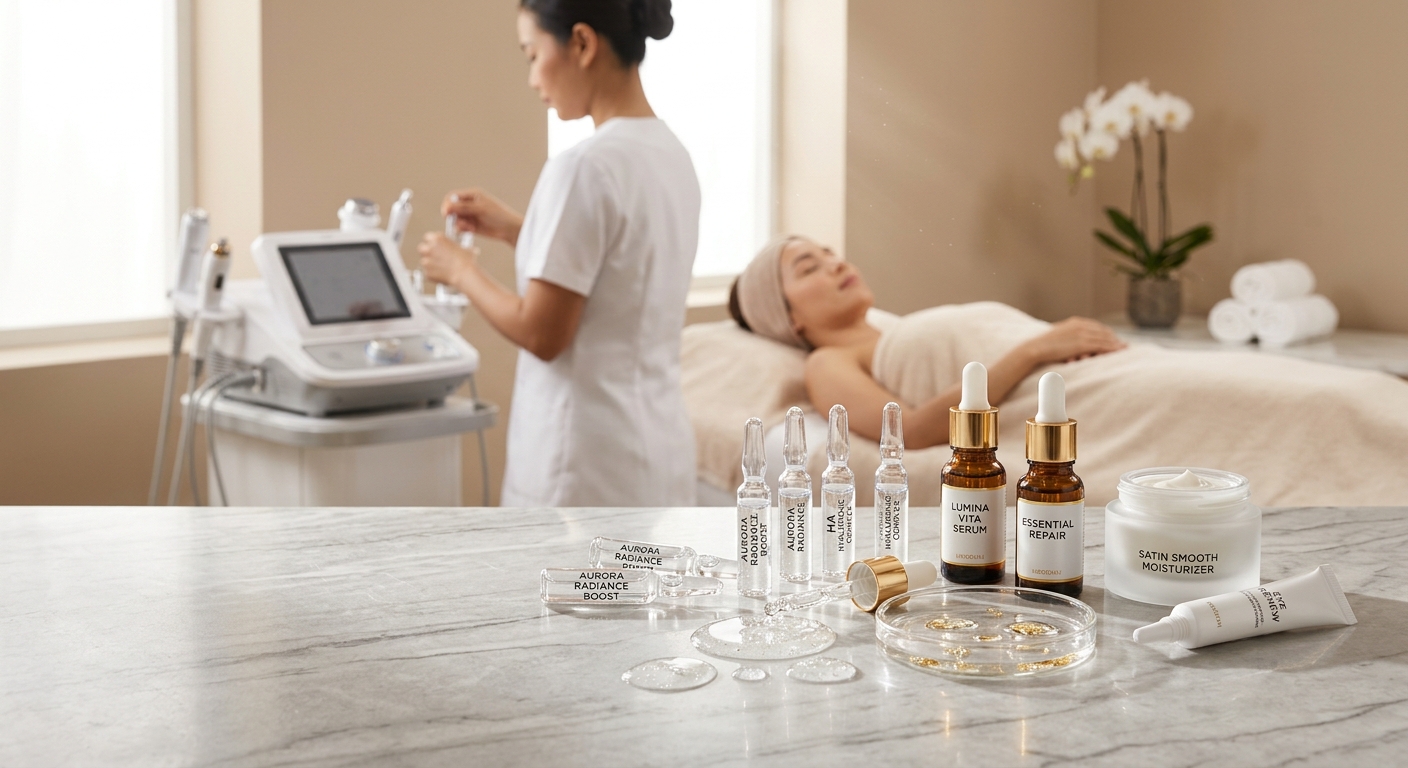
Booster serums contain concentrated skincare ingredients designed to target particular needs. When incorporated into an appropriate Hydrafacial treatment, they can make the experience more personalised.
Hydration and Skin Comfort
Hydrating formulations containing ingredients such as hyaluronic acid help attract and retain moisture, supporting a plumper and smoother-looking complexion.
These boosters may be particularly appealing to people experiencing dehydration, tightness, or dull-looking skin.
Brightening and Uneven Skin Tone
Some booster formulations contain antioxidants and brightening ingredients intended to improve the appearance of uneven skin tone and dullness.
Vitamin C, for example, is widely used in skincare for its antioxidant properties and role in supporting a brighter-looking complexion.
Fine Lines and Visible Signs of Ageing
Certain formulations contain peptides and other targeted ingredients designed to support smoother-looking skin and improve the appearance of fine lines.
The best option depends on skin condition, product formulation, and individual tolerance.
Texture and Congestion
For people concerned about rough texture or congested-looking pores, a suitable treatment programme may combine professional cleansing with carefully selected skincare ingredients.
Not every booster is appropriate for every skin type. A qualified skincare professional should assess individual concerns before recommending a formulation.
Why the Combination Works So Well Together
The appeal of combining Hydrafacial, LED therapy, and booster serums comes from their complementary roles.
Each component contributes something different to the overall experience:
| Treatment | Main Focus | Role in the Combination |
|---|---|---|
| Hydrafacial | Cleansing and hydration | Prepares the skin and removes surface impurities |
| LED Light Therapy | Light-based skincare | Adds a targeted treatment component |
| Booster Serums | Ingredient-based care | Addresses selected skin concerns |
Rather than treating these technologies as interchangeable, it is more useful to understand how they can complement one another.
Hydrafacial helps refresh the skin's surface, booster serums introduce selected skincare ingredients, and LED therapy provides an additional light-based element.
The result is a treatment approach that can be adjusted according to individual skincare goals instead of following a one-size-fits-all routine.
It is important to remember that combining treatments does not automatically guarantee better results. The effectiveness of each component depends on the technology used, the selected products, the treatment protocol, and the individual's skin condition.
Is This Skincare Combination Suitable for Everyone?
Although this combination can be appealing to many people, it is not necessarily suitable for every skin type or condition.
People with dehydrated, dull, congested, or uneven-looking skin may benefit from discussing a customised treatment plan with a qualified skincare professional.
However, additional care is recommended for individuals experiencing:
- Active skin irritation or inflammation.
- Severe or uncontrolled acne.
- Rosacea or highly reactive skin.
- Recent chemical peels, laser treatments, or other intensive procedures.
- Known allergies or sensitivities to skincare ingredients.
- Conditions that may make LED exposure unsuitable, including photosensitivity or the use of photosensitising medication.
A professional assessment is particularly important before combining multiple treatment technologies. Treatment intensity and product selection should be adjusted when necessary.
Why This Combination Is Relevant in Bangkok
Bangkok's tropical climate presents several everyday challenges for maintaining comfortable, healthy-looking skin.
High temperatures, humidity, air pollution, sun exposure, and frequent movement between outdoor environments and air-conditioned spaces can influence how skin feels and looks.
These conditions may contribute to:
- Increased surface oiliness and a congested appearance.
- Dehydration despite humid weather.
- Dullness caused by accumulated dead skin cells.
- Greater exposure to environmental stressors.
- Uneven-looking skin tone and texture.
A customised Hydrafacial treatment combined with suitable LED therapy and booster serums can offer a structured approach to addressing selected cosmetic concerns.
For Bangkok residents and international visitors, the key is choosing treatments based on actual skin needs rather than following every new beauty trend.
Professional guidance can help determine which technologies and ingredients are appropriate, how frequently treatments should be performed, and which home-care products can support the results.
How to Maintain Your Results After Treatment
Professional treatments are only one part of an effective skincare routine. Consistent home care remains essential for maintaining healthy-looking skin.
After a combined facial treatment, consider the following recommendations:
Use a gentle cleanser. Avoid aggressive exfoliating products immediately after treatment unless your skincare professional advises otherwise.
Apply a suitable moisturiser. Choose a formulation that supports your skin's hydration needs without causing discomfort or irritation.
Protect your skin from the sun. Apply broad-spectrum SPF 30 or higher daily and reapply as directed, particularly when spending time outdoors in Bangkok.
Avoid unnecessary exfoliation. Strong acids, retinoids, and abrasive scrubs may need to be temporarily paused depending on the treatment and your skin's response.
Stay consistent. A balanced skincare routine and professionally recommended treatment schedule are generally more useful than frequent, unnecessary procedures.
Always follow the aftercare instructions provided by your skincare professional, as recommendations may vary depending on the products and technologies used.
Conclusion: A More Personalised Approach to Skincare in 2026
The combination of Hydrafacial, LED light therapy, and booster serums represents an interesting direction in modern skincare: bringing together different technologies and ingredients to create a more personalised facial experience.
Hydrafacial focuses on cleansing, exfoliation, and hydration. LED therapy introduces a light-based treatment component, while booster serums allow skincare professionals to address specific concerns through targeted formulations.
Together, these approaches can complement one another when selected and administered appropriately.
In 2026, the future of skincare is not simply about using more products or trying more technologies. It is about understanding your skin, choosing suitable treatments, and building a consistent routine that supports your individual needs.
For anyone looking to explore advanced facial treatments in Bangkok, a professional skin consultation is a good first step towards discovering which combination is right for their complexion.