Healthy, radiant skin is not just about appearance. It is also about maintaining proper hydration, improving skin texture, and addressing concerns before they become more noticeable. However, acne, dark spots, uneven skin tone, fine lines, and premature aging can make achieving a clear and youthful complexion challenging.
In 2026, Hydrafacial continues to be a popular non-invasive skincare treatment because it combines cleansing, exfoliation, painless extractions, and intensive hydration in one personalized facial experience. Using advanced Vortex-Fusion technology, it helps improve the appearance of several common skin concerns while leaving the skin refreshed and visibly smoother.
Whether you are struggling with persistent clogged pores, post-acne marks, sun-related pigmentation, or early signs of aging, this complete guide explores how Hydrafacial works, what results you can expect, and how to choose the right treatment for your skin.
What Is Hydrafacial and How Does It Work?
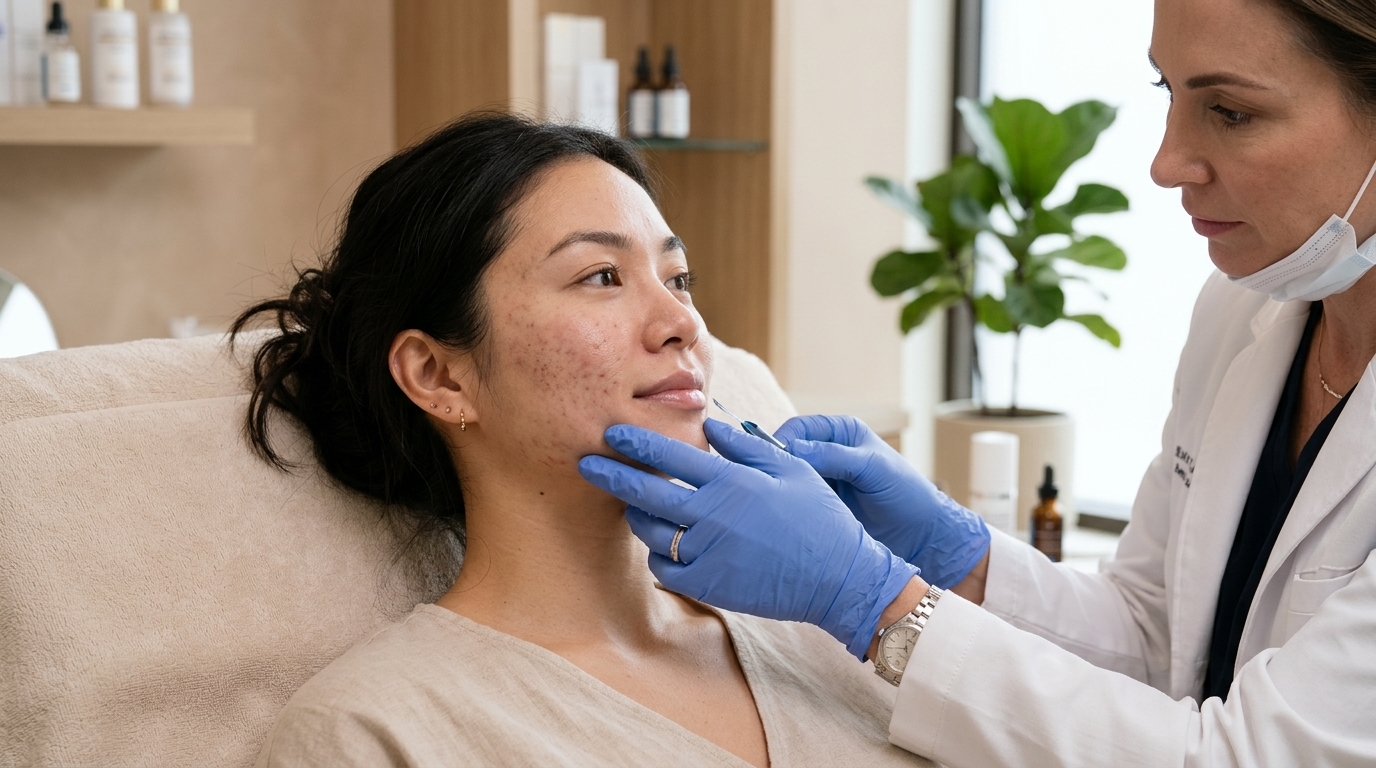
Hydrafacial is a non-invasive facial treatment designed to cleanse, exfoliate, extract impurities, and hydrate the skin in a series of carefully coordinated steps.
Unlike conventional facials that may rely primarily on manual cleansing and extraction, Hydrafacial uses specialized HydroPeel tips and Vortex-Fusion technology to remove dead skin cells, loosen impurities, and deliver hydrating skincare solutions.
A typical Hydrafacial treatment includes:
- Cleansing: Removes surface impurities, makeup residue, and excess oil.
- Exfoliation: Gently removes accumulated dead skin cells to reveal a smoother skin surface.
- Gentle extraction: Uses controlled suction to help clear clogged pores and remove impurities.
- Hydration: Infuses the skin with moisturizing and nourishing ingredients.
- Personalized boosters: Adds targeted skincare formulations according to individual concerns and treatment goals.
Depending on the selected treatment, additional options such as LED light therapy may also be incorporated to complement the skincare experience.
Hydrafacial for Acne and Clogged Pores
Acne is one of the most common skin concerns affecting teenagers and adults. It can develop when excess oil, dead skin cells, and other impurities accumulate inside hair follicles, contributing to blackheads, whiteheads, and inflammatory breakouts.
Hydrafacial can support an acne-prone skincare routine by helping remove surface buildup, clear congested pores, and improve the overall appearance of oily skin.
How Hydrafacial Helps Acne-Prone Skin
- Deep pore cleansing: Helps remove accumulated oil and impurities that contribute to clogged pores.
- Gentle exfoliation: Removes dead skin cells and improves the appearance of uneven skin texture.
- Reduced visible congestion: Helps improve the appearance of blackheads and whiteheads.
- Hydration without heavy products: Supports skin hydration without relying on excessively rich skincare formulations.
- Improved skin appearance: Helps the complexion look cleaner, smoother, and more refreshed.
Can Hydrafacial Treat Active Acne?
Hydrafacial may be suitable for some people with mild to moderate acne and congested skin. However, it is important to understand that it is a supportive cosmetic treatment rather than a replacement for medical acne treatment.
Severe inflammatory acne, painful cystic breakouts, and acne that causes scarring require professional assessment by a dermatologist. Aggressive exfoliation or extraction may aggravate inflamed lesions, so treatment intensity should always be adjusted to the condition of the skin.
3. Hydrafacial for Pigmentation and Dark Spots
Uneven skin tone and pigmentation are common concerns, particularly in climates with strong year-round sun exposure. UV radiation can stimulate melanin production, contributing to sun spots, dark patches, and uneven complexion.
Post-inflammatory hyperpigmentation can also develop after acne, irritation, or skin inflammation, leaving brown or darker marks even after the original breakout has disappeared.
How Hydrafacial Supports a More Even Skin Tone
Hydrafacial treatments can help improve the appearance of uneven skin tone through gentle exfoliation and customized brightening skincare formulations.
- Surface exfoliation: Helps remove accumulated dead skin cells that can make the complexion appear dull.
- Brightening ingredients: Selected boosters may help improve the appearance of dark spots and uneven pigmentation.
- Improved skin radiance: Helps reveal a fresher-looking complexion.
- Post-acne mark care: Supports a skincare routine targeting the appearance of residual discoloration.
- Hydration: Helps maintain a smoother and healthier-looking skin surface.
Which Ingredients Help Improve Pigmentation?
Depending on the available booster formulations and individual skin needs, ingredients used in pigmentation-focused skincare may include:
- Vitamin C: An antioxidant that helps brighten the appearance of skin and protect against oxidative stress.
- Alpha-arbutin: An ingredient commonly used in skincare formulations targeting the appearance of dark spots.
- Tranexamic acid: Used in selected topical skincare formulations to help improve the appearance of uneven pigmentation.
- Hyaluronic acid: Helps attract and retain moisture, supporting smoother and more hydrated skin.
Important: Hydrafacial may improve superficial dullness and the appearance of some dark spots, but it does not guarantee the removal of deeper pigmentation or melasma. Persistent or changing pigmentation should be assessed by a dermatologist before selecting a treatment.
Hydrafacial for Aging, Fine Lines, and Wrinkles
As skin ages, its natural collagen and elastin production gradually changes. This can contribute to fine lines, reduced firmness, uneven texture, and a loss of youthful-looking radiance.
Environmental factors, including UV exposure, pollution, stress, and inadequate skincare, may also contribute to visible signs of premature aging.
Hydrafacial offers a non-invasive approach to improving skin appearance through exfoliation, hydration, and personalized skincare boosters.
Anti-Aging Benefits of Hydrafacial
- Improved hydration: Helps temporarily plump the skin, making dehydration-related fine lines less noticeable.
- Smoother texture: Gentle exfoliation helps refine the appearance of rough and uneven skin.
- Enhanced radiance: Removes surface buildup that can make aging skin look dull.
- Visible fine-line improvement: Hydrated skin may appear smoother and more supple.
- Personalized skincare: Selected peptide and antioxidant formulations can complement an anti-aging routine.
Can Hydrafacial Reverse Skin Aging?
Hydrafacial can improve the appearance of dehydration, dullness, uneven texture, and some fine lines. However, it does not reverse the natural aging process or replace treatments designed to address deeper wrinkles, significant skin laxity, or substantial volume loss.
For long-term skin maintenance, it can be incorporated into a broader skincare plan that includes daily sun protection, appropriate active ingredients, and professional dermatological advice when necessary.
Hydrafacial in 2026: Personalized Boosters and Advanced Skincare
One of the important developments in modern Hydrafacial treatments is the growing emphasis on personalized skincare. Instead of using the same treatment combination for every client, providers can select targeted boosters according to individual skin concerns.
Examples of booster categories include:
- Clarifying formulations: Designed for oily, congested, and blemish-prone skin.
- Brightening formulations: Help improve the appearance of uneven tone and dark spots.
- Hydrating formulations: Support moisture retention and skin comfort.
- Anti-aging formulations: Help improve the appearance of fine lines, skin texture, and firmness.
Introducing HydraClear: A 2026 Development
In October 2026, Hydrafacial announced HydraClear, a targeted treatment booster developed for blemish-prone skin.
Its formulation features a combination of three ingredients:
- Salicylic acid: Helps exfoliate inside pores and address congestion.
- Succinic acid: Included in the formulation to support blemish-focused skincare.
- Tranexamic acid: Helps target the appearance of post-blemish discoloration.
The combination is designed to help clarify the appearance of congested skin, improve the look of blemish marks, and maintain hydration.
Availability of this booster may vary by provider and location. Ask your skincare professional which Hydrafacial boosters are currently available and appropriate for your skin.
Which Hydrafacial Treatment Is Right for Your Skin?
Choosing the right treatment depends on your primary skin concern, sensitivity, current skincare routine, and desired results.
- For acne-prone skin: Consider a clarifying approach focused on congestion, excess oil, and gentle pore cleansing.
- For pigmentation: Ask about brightening boosters and a treatment plan that complements daily sun protection.
- For aging skin: Consider hydrating and peptide-focused formulations designed to improve the appearance of fine lines and skin texture.
- For dehydrated or dull skin: Focus on hydration, gentle exfoliation, and antioxidant support.
- For multiple skin concerns: A customized combination may address different priorities in one session, depending on suitability.
A professional consultation is important because the best treatment is not necessarily the most intensive one. Your provider should consider your skin condition and avoid unnecessary irritation.
What to Expect During a Hydrafacial Appointment
A Hydrafacial appointment generally follows a structured process designed to make the experience comfortable and convenient.
Step 1: Skin Consultation
Your provider discusses your skin concerns, medical and skincare history, sensitivities, and treatment goals before selecting the appropriate treatment approach.
Step 2: Cleansing and Exfoliation
The skin is cleansed and gently exfoliated to remove surface impurities and dead skin cells.
Step 3: Extraction
Specialized suction technology helps remove debris and impurities from congested pores.
Step 4: Hydration and Customized Boosters
Hydrating serums and selected boosters are applied according to your skin's needs.
Step 5: Finishing Care
Depending on the treatment selected, additional finishing steps such as LED light therapy and appropriate skincare products may be included.
Most standard Hydrafacial sessions take approximately 30 to 60 minutes, depending on the treatment type and additional options.
When Will You See Hydrafacial Results?
One of the appealing aspects of Hydrafacial is that the skin may look smoother, cleaner, and more hydrated immediately after treatment.
However, results vary according to skin condition, treatment selection, and individual response.
- Immediately after treatment: Skin may look fresher, smoother, and more hydrated.
- During the following days: The complexion may appear more refined as the skin settles after exfoliation and hydration.
- With regular treatments: Consistent professional care may help maintain improvements in visible congestion, texture, and radiance.
Dark spots, persistent acne, and established wrinkles usually require a longer-term approach. One facial should not be expected to resolve these concerns completely.
How Often Should You Get a Hydrafacial?
For many people, a Hydrafacial every four to six weeks may be considered as part of a regular skincare maintenance routine. However, the ideal frequency depends on skin sensitivity, treatment intensity, and individual goals.
People with active inflammation, compromised skin barriers, or ongoing dermatological treatments may need a different schedule or medical clearance before receiving a facial.
Your skincare provider can recommend an appropriate treatment frequency based on how your skin responds.
Hydrafacial Aftercare: How to Maintain Your Results
Aftercare plays an important role in maintaining a comfortable skin barrier and supporting the appearance of your results.
Essential Aftercare Tips
- Apply sunscreen daily: Use broad-spectrum SPF 30 or higher and reapply as directed, especially when spending time outdoors.
- Keep your skin hydrated: Use a gentle moisturizer appropriate for your skin type.
- Avoid excessive exfoliation: Give your skin time to settle before restarting strong exfoliating products.
- Be careful with active ingredients: Follow your provider's advice regarding retinoids, exfoliating acids, and other potentially irritating products.
- Avoid unnecessary irritation: Do not pick at blemishes or aggressively scrub your skin.
- Maintain a consistent routine: Gentle cleansing, hydration, and sun protection help support long-term skin health.
For people concerned about pigmentation, consistent sun protection is especially important because UV exposure can worsen existing dark spots and contribute to new discoloration.
Is Hydrafacial Suitable for Everyone?
Hydrafacial is generally considered a gentle, non-invasive cosmetic facial, but it may not be appropriate for every skin condition.
Before treatment, inform your provider if you have:
- Active skin infections or open wounds.
- Severe or inflamed acne lesions.
- Active eczema, dermatitis, or rosacea flare-ups.
- Recent sunburn or significant skin irritation.
- Known allergies or sensitivities to skincare ingredients.
- Recently undergone chemical peels, laser procedures, or other aesthetic treatments.
- Used prescription acne medication or other treatments that affect skin sensitivity.
People with these concerns may need to postpone treatment or obtain medical advice first. Pregnant or breastfeeding clients should also discuss ingredient suitability with their healthcare professional.
A consultation with a qualified skincare professional or dermatologist can help determine whether Hydrafacial is appropriate for your skin.
Hydrafacial in Bangkok: Caring for Skin in a Tropical Climate
Bangkok's tropical climate creates particular challenges for maintaining balanced skin. High humidity, heat, perspiration, pollution, and frequent sun exposure can contribute to excess oiliness, clogged pores, dehydration, and uneven pigmentation.
Even skin that feels oily can become dehydrated, especially when exposed to air conditioning, frequent cleansing, or unsuitable skincare products.
Hydrafacial can be a useful option for people looking to improve the appearance of congested, dull, or dehydrated skin while enjoying a personalized facial experience.
For those living in Bangkok or visiting Thailand, a suitable treatment plan should consider local environmental conditions and individual skin needs.
Frequently Asked Questions About Hydrafacial
Does Hydrafacial help with acne?
Hydrafacial can help improve the appearance of clogged pores, blackheads, excess oil, and mild acne-related congestion. However, it is not a standalone medical treatment for moderate or severe acne.
Can Hydrafacial remove pigmentation?
Hydrafacial may improve the appearance of superficial discoloration and uneven skin tone through exfoliation and selected brightening boosters. Deeper pigmentation and melasma may require additional dermatological treatments.
Does Hydrafacial reduce wrinkles?
Hydrafacial can temporarily improve the appearance of fine lines associated with dehydration and improve overall skin smoothness. It does not eliminate deep wrinkles or significantly tighten loose skin.
Is Hydrafacial painful?
Most people find the treatment comfortable. The specialized handpiece uses controlled suction and gentle exfoliation. Sensitivity may vary depending on the skin condition and treatment settings.
Is there any downtime after Hydrafacial?
Most people can return to their normal activities shortly after treatment. Temporary redness or sensitivity may occur, particularly in sensitive skin.
How long do Hydrafacial results last?
Results vary depending on skin condition, lifestyle, and skincare habits. The immediate hydrated and refreshed appearance may gradually fade, which is why some people choose regular maintenance treatments.
Can I wear makeup after Hydrafacial?
Many people can resume normal activities after treatment. However, allowing the skin to rest and following your provider's advice before applying makeup is recommended, particularly if your skin is sensitive.
Is Hydrafacial suitable for sensitive skin?
It may be suitable for some people with sensitive skin when the treatment is appropriately customized. A consultation is important to assess sensitivity and avoid unsuitable ingredients or treatment intensity.
Conclusion: A Personalized Approach to Healthier-Looking Skin
Acne, pigmentation, and visible signs of aging require different skincare approaches, but they often share common concerns such as uneven texture, dehydration, and accumulated dead skin cells.
Hydrafacial brings cleansing, exfoliation, extraction, and hydration together in one customizable treatment. It can help improve the appearance of congested pores, dullness, uneven skin tone, and fine lines while supporting a refreshed and hydrated complexion.
In 2026, advances in personalized booster formulations continue to expand the ways Hydrafacial treatments can be tailored to individual skincare goals. Nevertheless, the best results come from choosing suitable treatments, maintaining consistent home care, and understanding when professional dermatological advice is needed.
Discover a personalized Hydrafacial experience in Bangkok and take the next step towards smoother, clearer, and more radiant-looking skin.